What are NFTs?
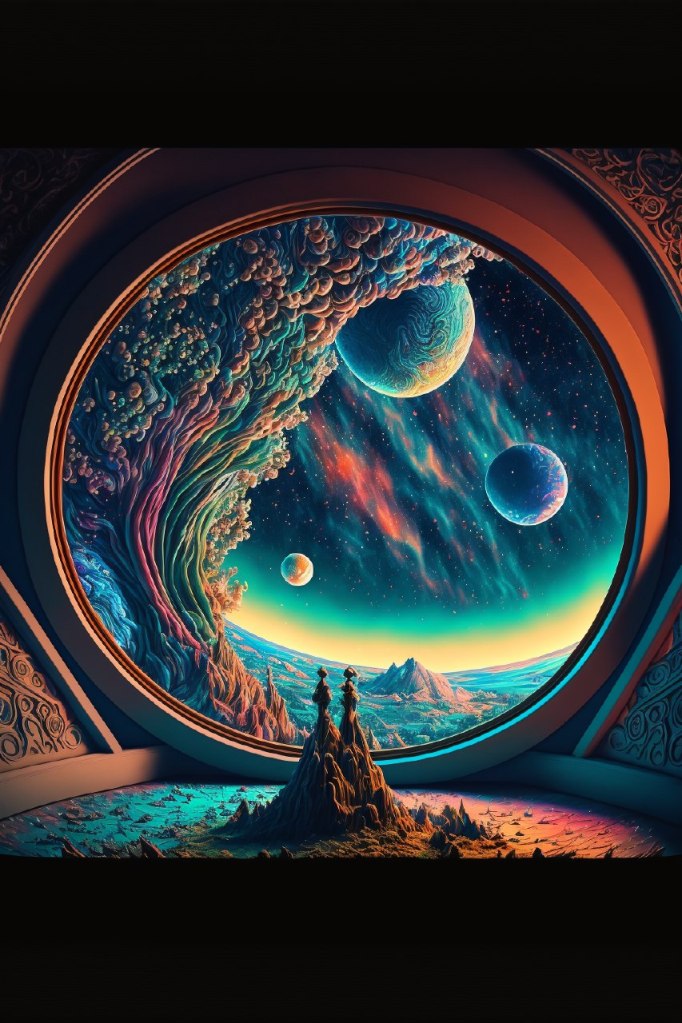
Non-fungible tokens (NFTs) are a type of digital asset that uses blockchain technology to establish ownership and uniqueness. NFTs are indivisible and cannot be exchanged for other tokens or assets.
They are being used in various forms, including digital art, music, videos, and more.
What is AI Art?
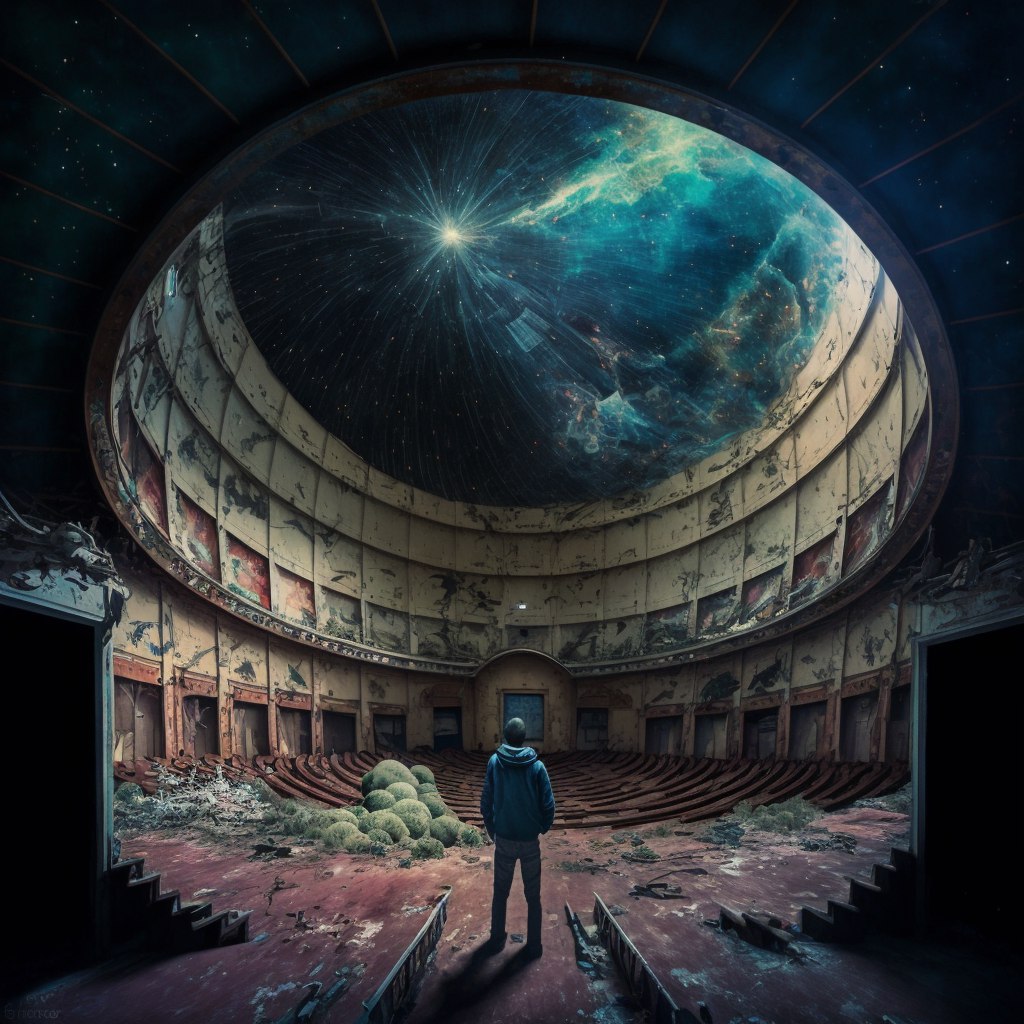
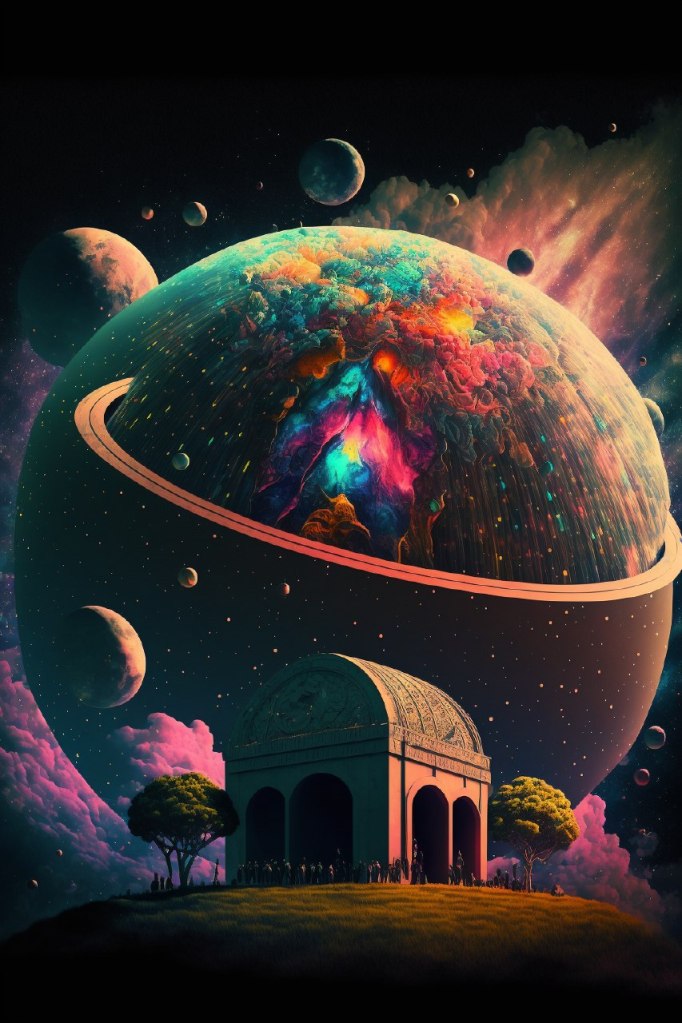
AI art is a form of artistic creation that is made using artificial intelligence techniques. It involves using algorithms and machine learning to generate images, videos, and other forms of art. The concept of AI Art is still relatively new, but it is already gaining popularity and attention.
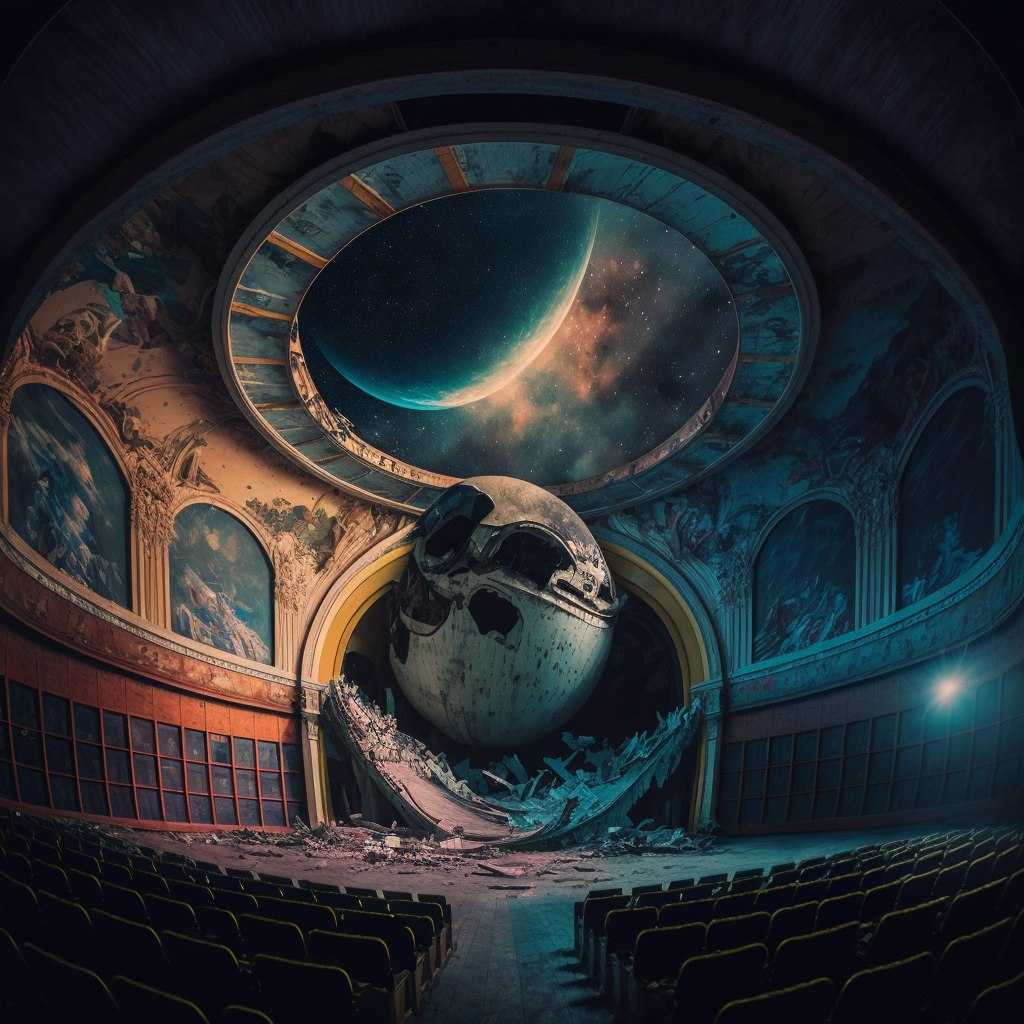
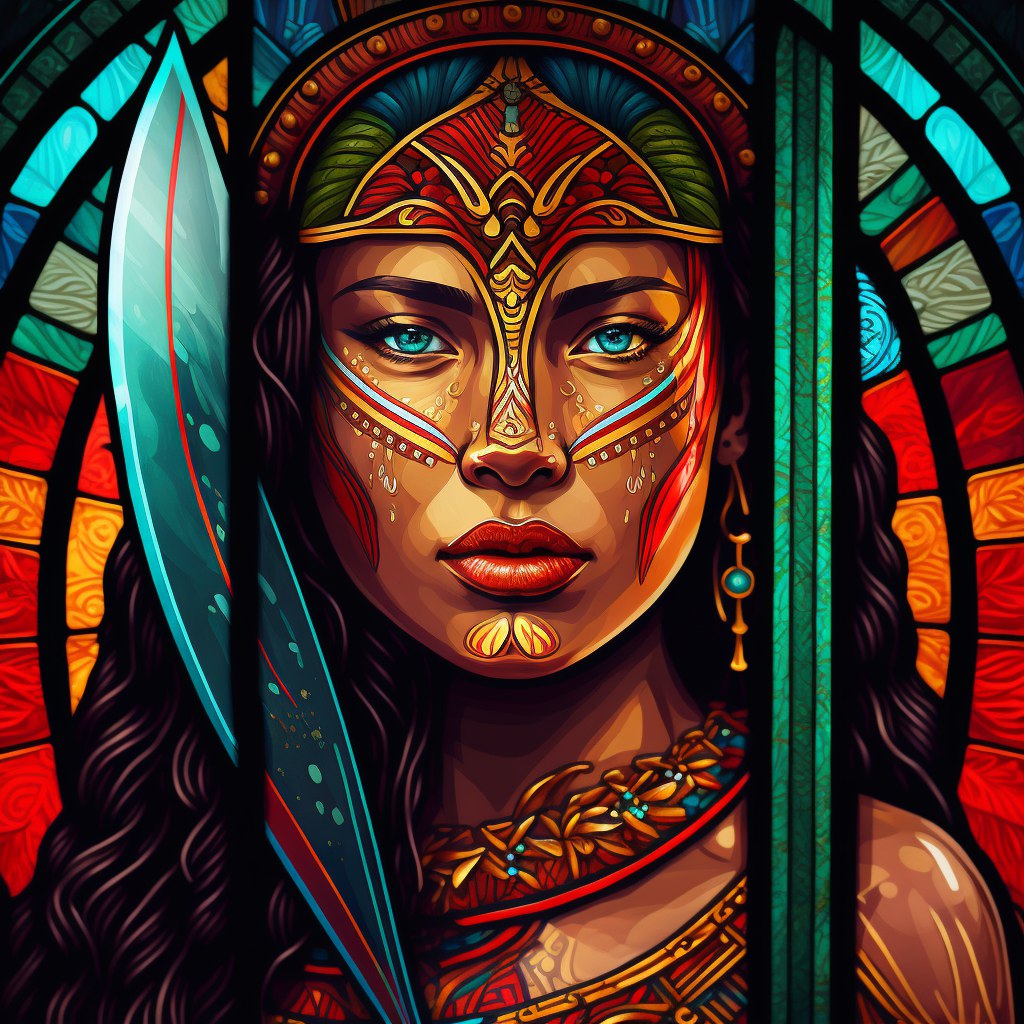
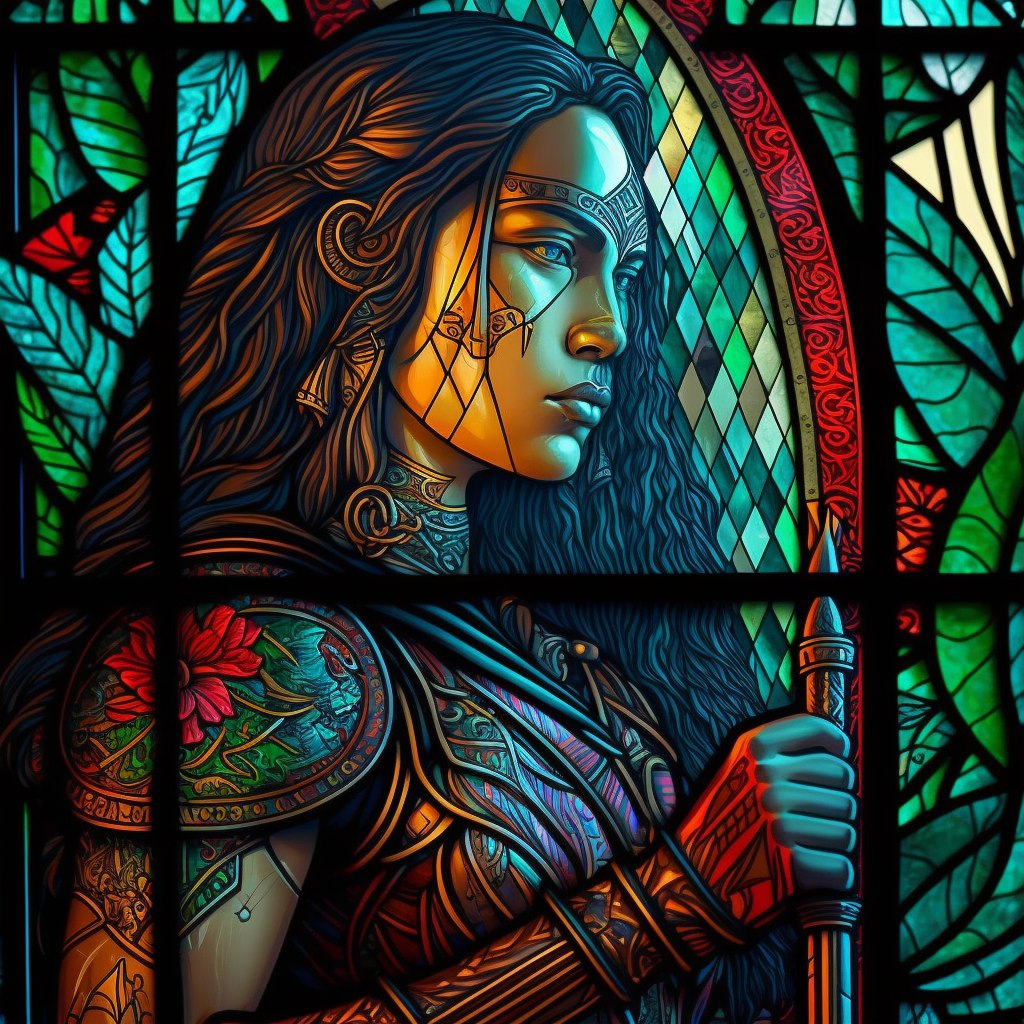
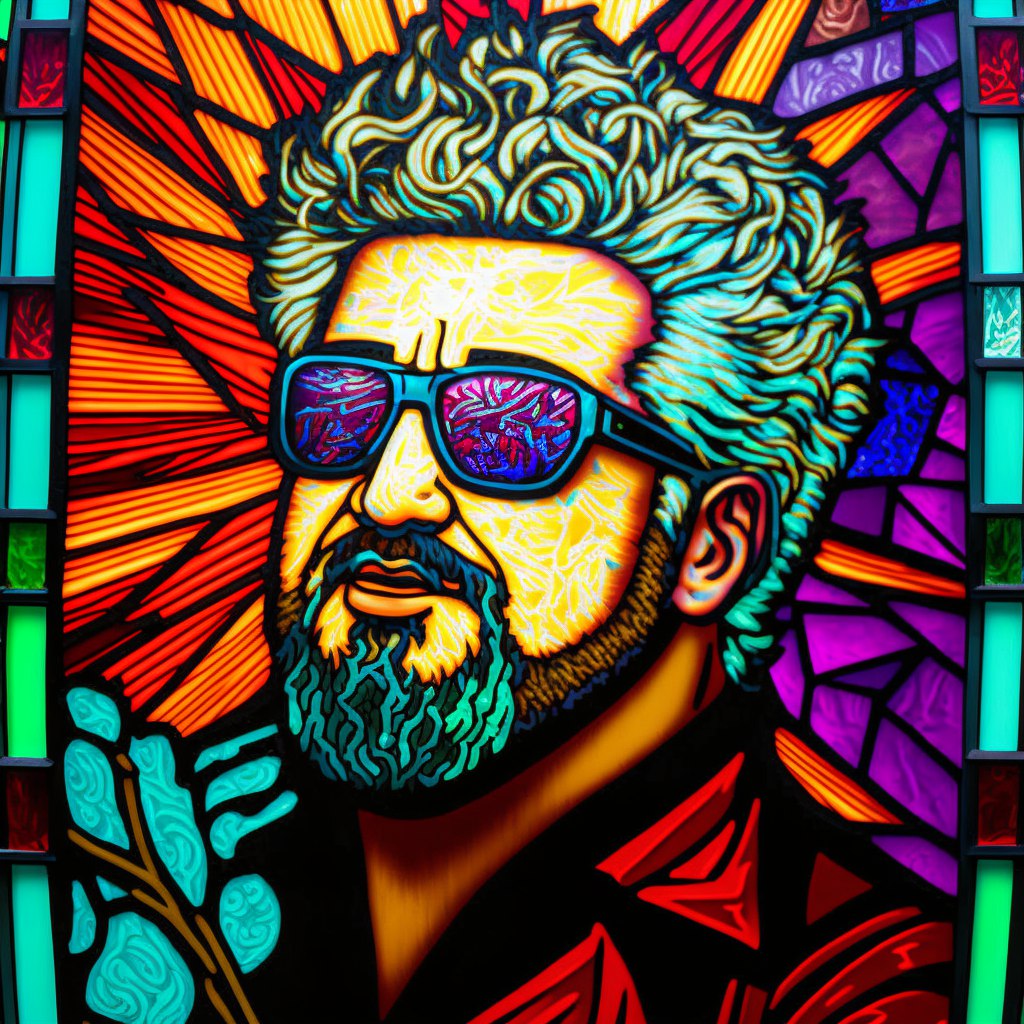
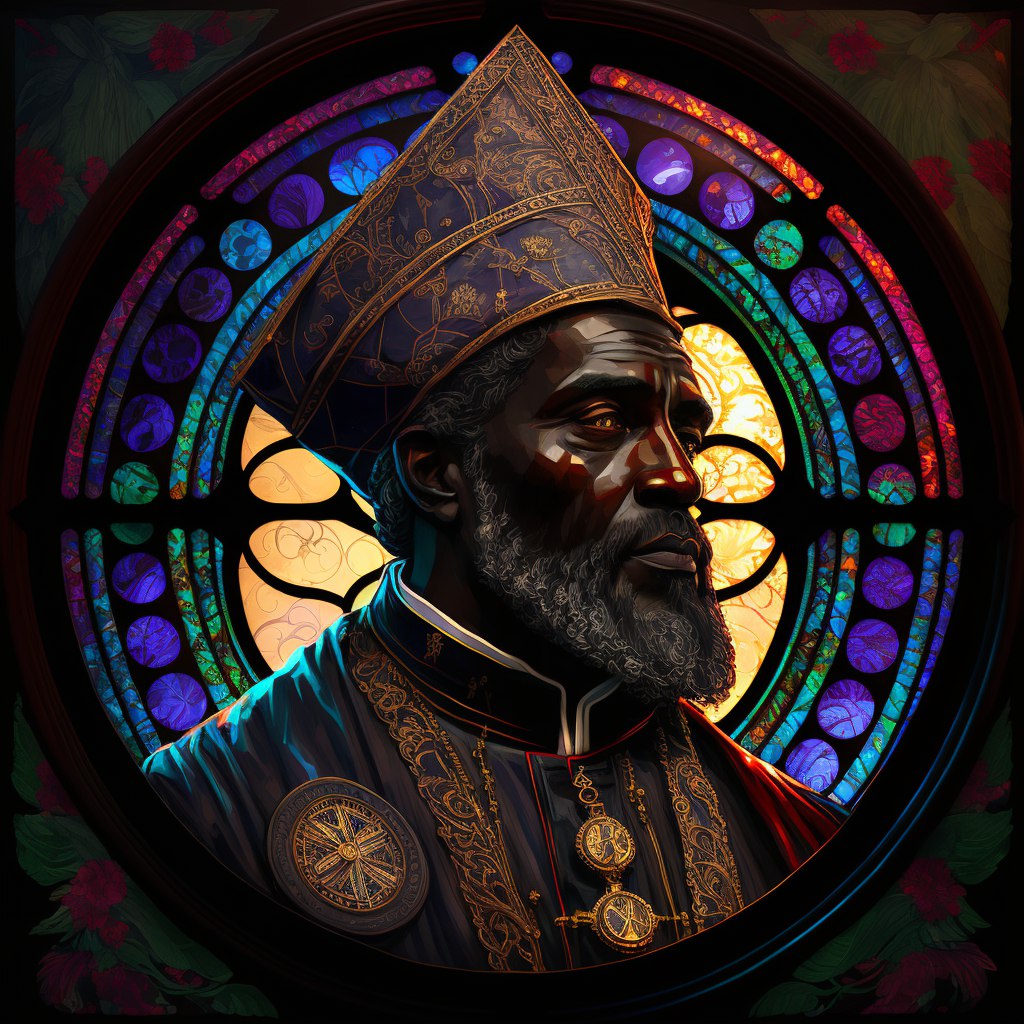
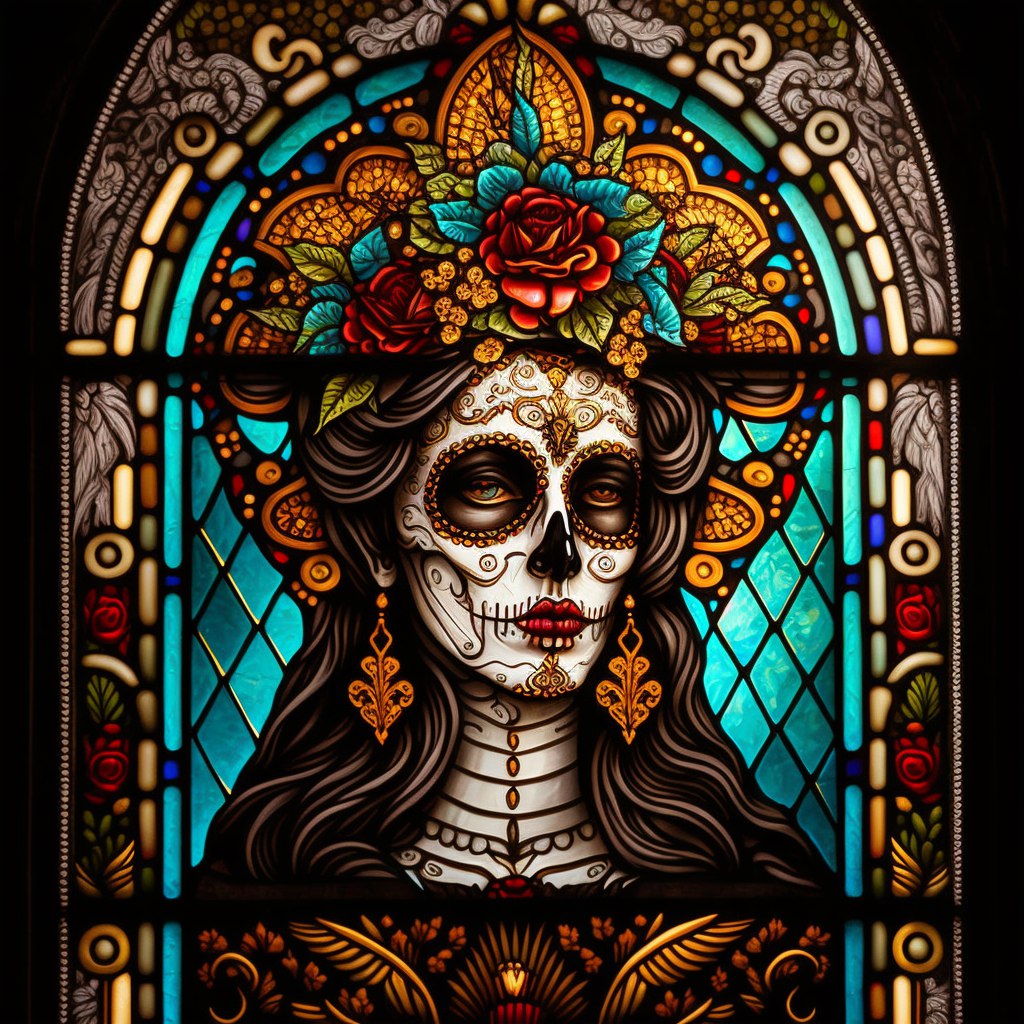
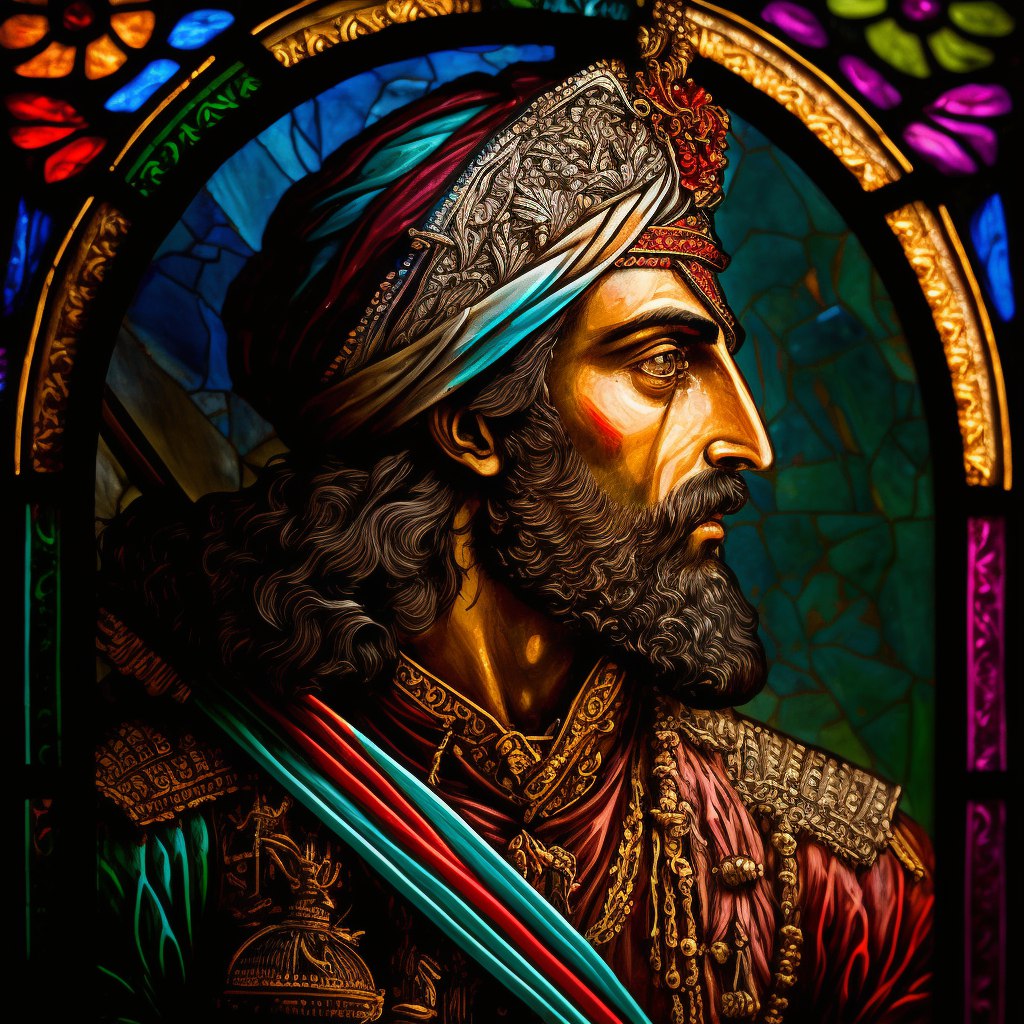
Overview of the intersection of NFTs and AI Art
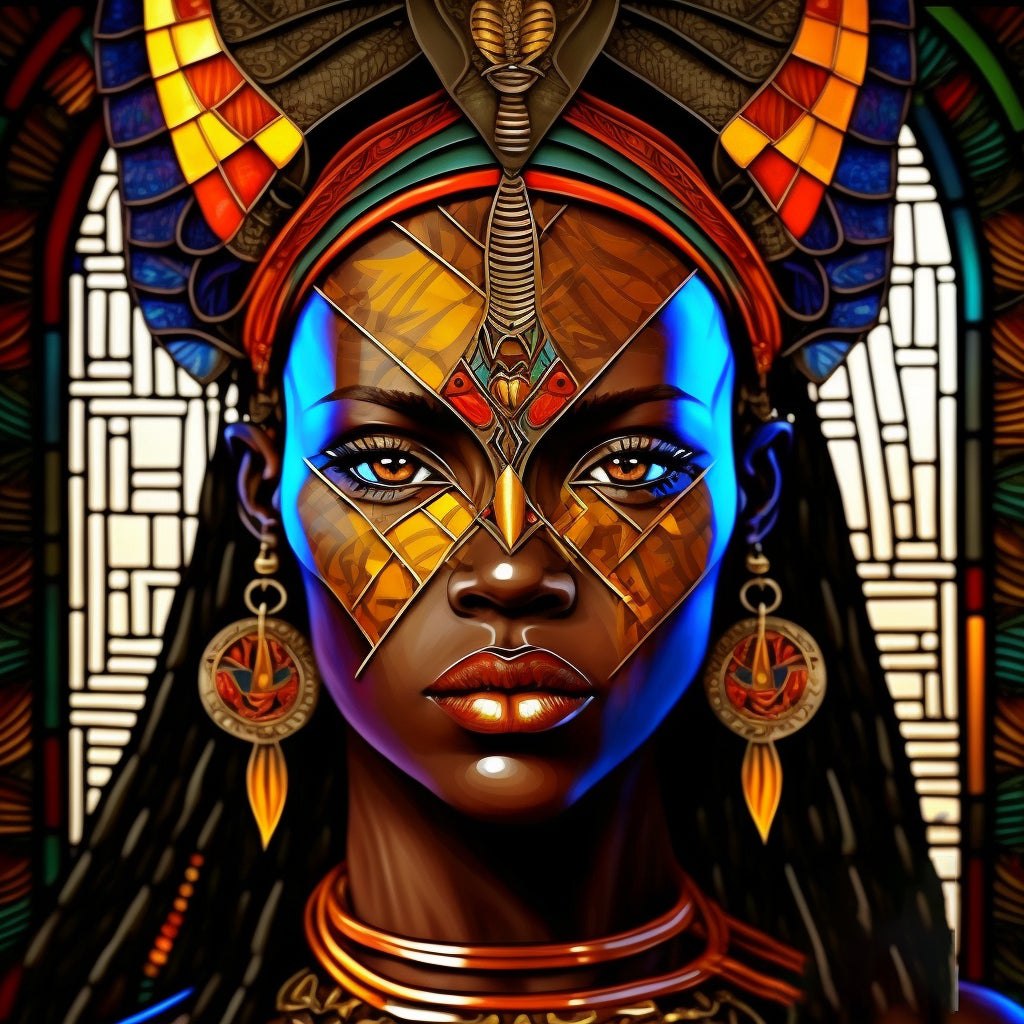
The intersection of NFTs and AI Art creates a new and exciting opportunity for digital artists to create unique and valuable art pieces. NFTs provide a way for artists to establish ownership and sell their digital art as collectibles.
AI Art, on the other hand, provides artists with an innovative tool to create unique works of art that cannot be replicated.
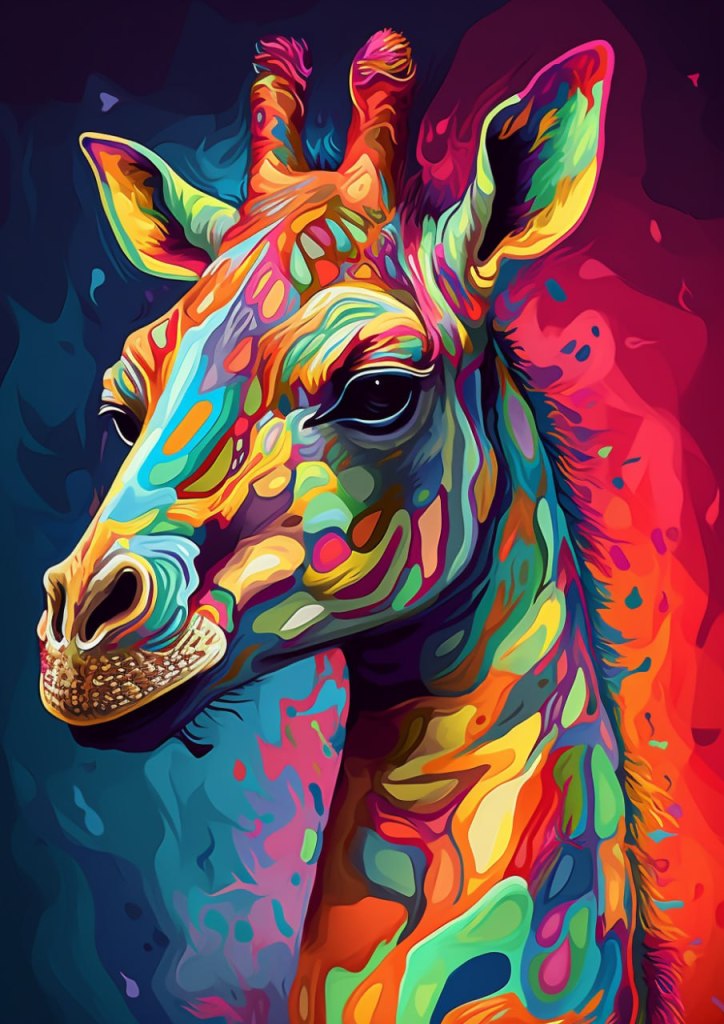
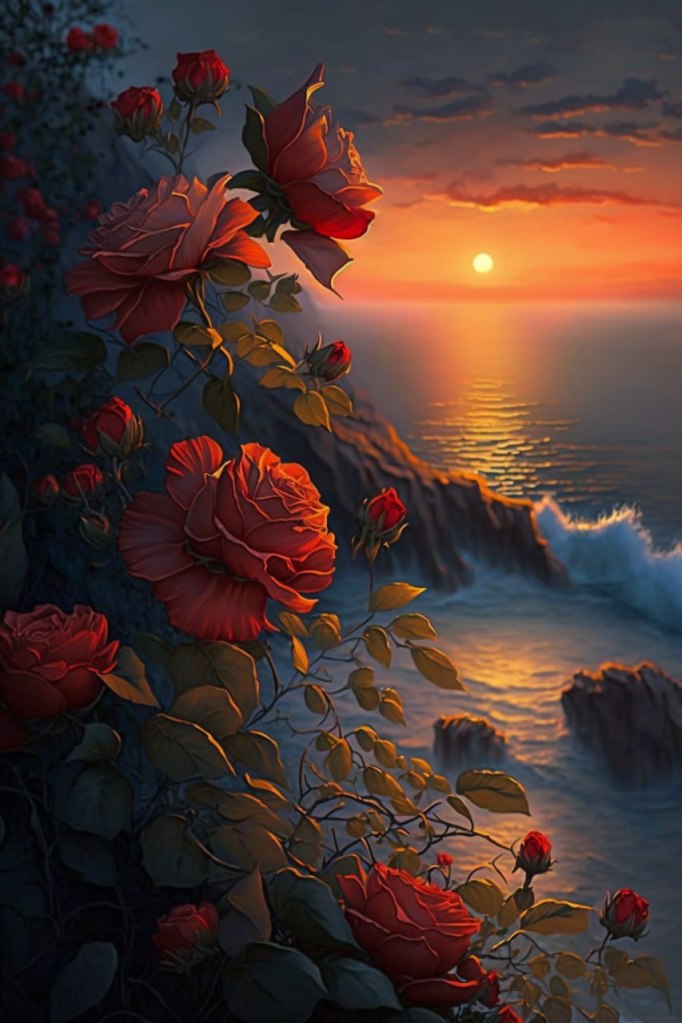

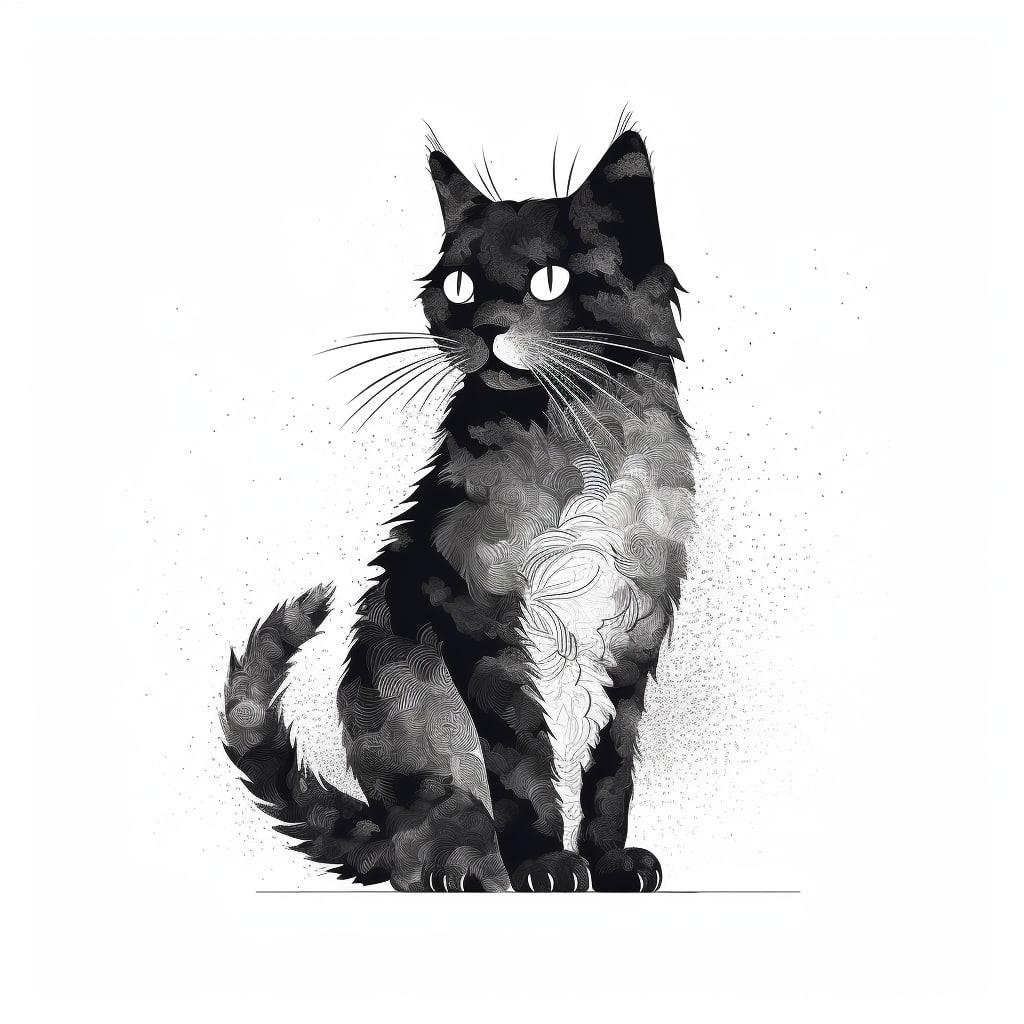

The Intersection of AI and NFTs in the Art World
How AI is transforming the Art world
AI is transforming the art world by providing artists with new and innovative ways to create, distribute, and sell their art. AI tools are beginning to be used by artists to generate new and unique art, giving them the ability to explore new styles and techniques.
Additionally, AI is being used in the analysis and discovery of new and interesting art pieces.
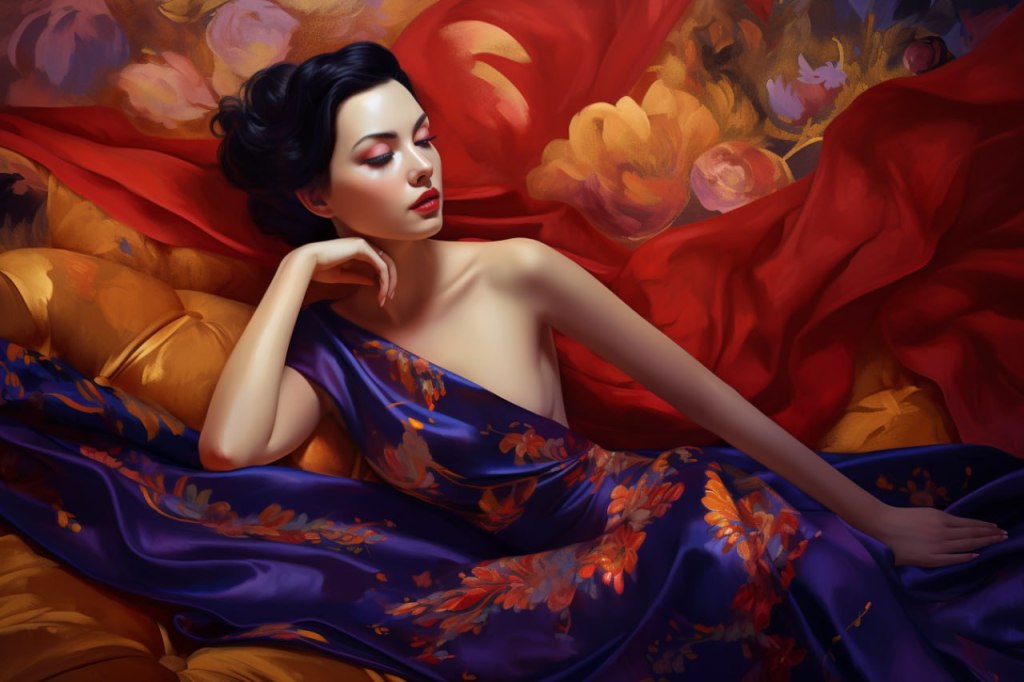
Why NFTs are important in the Art world
NFTs provide artists with a new and innovative way to establish ownership and sell their digital art as collectibles. Through NFTs, artists can ensure that their work is unique, and buyers can have confidence that they are purchasing an authentic piece of art.
NFTs also provide a way for artists to receive payment for the use and distribution of their art.

Case studies of successful NFT and AI Art projects
There are already numerous successful projects in the intersection of NFTs and AI Art, including the digital art piece “Everydays: The First 5000 Days” by artist Beeple, which sold for $69 million. Other notable examples include CryptoPunks, an NFT project consisting of 10,000 unique 8-bit characters, and Art Blocks, a generative art platform that allows artists to create unique art pieces.
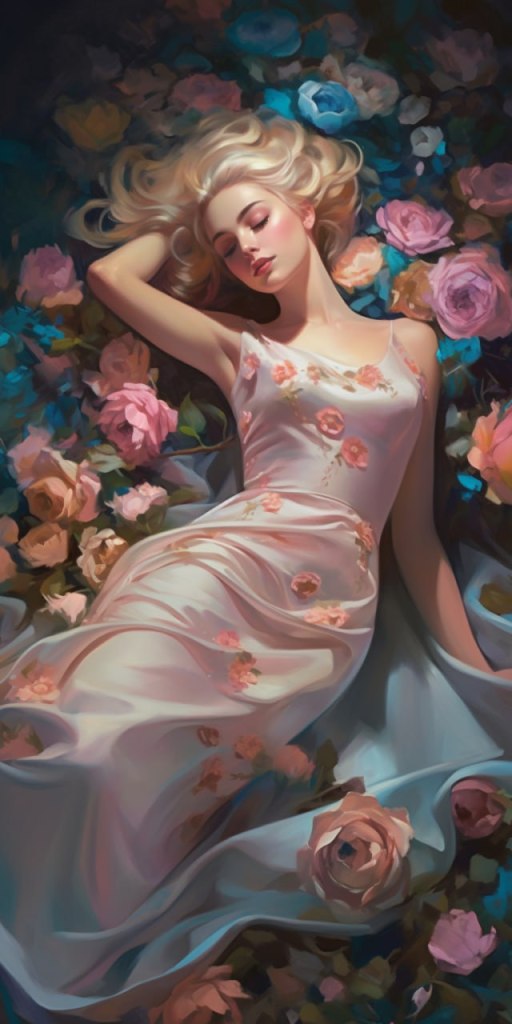
Advantages and Limitations of AI Art in NFTs
Advantages of AI Art in NFTs
One of the main advantages of AI art in NFTs is the ability to create unique and highly valued pieces of art that cannot be replicated.
Additionally, AI can be used to create art pieces quickly and efficiently, saving artists time and allowing them to focus on other aspects of their work. AI art also provides new opportunities for collaboration and experimentation.
Limitations of AI Art in NFTs
One of the main limitations of AI art in NFTs is the potential for the art to lack the emotional depth and creativity that is typically associated with traditional art. Additionally, the use of AI can be seen as limiting the artistic process, as some argue that it is the artist’s unique perspective and personal experience that makes art truly valuable.
NFTs and AI Art: A New Era of Digital Ownership
How NFTs and AI Art has changed the concept of digital ownership
The intersection of NFTs and AI Art has changed the concept of digital ownership by providing a way to establish ownership and value in digital art. Through NFTs, digital art can now be regarded as a valuable and unique collectible, similar to physical art pieces. Additionally, NFTs provide artists with a way to monetize their digital art and receive payment for its use.
Advantages and limitations of digital ownership through NFTs and AI Art
The advantages of digital ownership through NFTs and AI Art include the ability to establish ownership and value in digital art, as well as providing artists with new opportunities to monetize their work. However, the limitations of digital ownership through NFTs and AI Art include the potential for fraudulent sales, as well as the lack of physical ownership and the emotional connection that often comes with physical art pieces.
Issues and Challenges in the NFTs and AI Art Landscape
Challenges in NFTs and AI Art adoption
NFTs (Non-Fungible Tokens) and AI (Artificial Intelligence) art are two of the most talked-about topics in the art world. However, there are several challenges that artists, collectors, and investors face while trying to adopt these technologies. For instance, the technical complexities and lack of knowledge about NFTs and blockchain technology make it difficult for artists to sell their artwork. On the other hand, AI art is still in its nascent stage and is yet to be accepted by the mainstream art world, which poses a significant challenge to its adoption.
Environmental challenges of NFTs and AI Art
Another challenge that NFTs and AI art face is the environmental impact they have. As the use of NFTs and blockchain technology increases, so does the energy consumption required to maintain the digital ledger. Similarly, AI art requires heavy computational power for its creation, leading to increased carbon emissions. Thus, the environmental impact of NFTs and AI art is a major concern that needs to be addressed.
Legal challenges and intellectual property issues in NFTs and AI Art
NFTs and AI art are also subject to several legal challenges and intellectual property issues. The ownership and authenticity of NFTs are still in a legal grey area, making it difficult for artists to protect their digital artworks. Similarly, the creation of AI art raises concerns about copyright infringement and plagiarism as the unique algorithm-generated artwork might resemble existing artworks.
NFTs and AI Art: Future Possibilities and Trends
Potential future developments in NFTs and AI Art
Despite the challenges, NFTs and AI art have the potential to revolutionize the art world. The potential future developments in these technologies include improved accessibility to NFTs for artists and collectors, increased adoption of AI art in the mainstream art world, and enhanced security measures for NFTs.
Trends in NFTs and AI Art and their impact on the art world
The use of NFTs and AI art is changing the way we perceive traditional art. The trend of tokenizing artworks through NFTs makes it easier for artists to monetize their digital creations, while AI art challenges the conventional notions of who can create art. As these technologies continue to evolve, they will undoubtedly have a significant impact on the art world, paving the way for new forms of art.
Conclusion: The Evolution of NFTs and AI Art in the Art World
Summary of the key themes and ideas explored in the article
In conclusion, this article highlights the challenges and opportunities presented by NFTs and AI art in the art world. It explores the challenges artists face while adopting these technologies, the environmental impact of these technologies, and the legal challenges and intellectual property issues they pose. On the other hand, this article also discusses the potential future developments in NFTs and AI art and the impact these technologies will have on the art world.
Final thoughts on the future of NFTs and AI Art in the art world
In the future, NFTs and AI art will undoubtedly change the way we perceive traditional art. Although there are challenges to overcome, the potential benefits of these technologies far outweigh the costs. As the technologies improve, the art world will become more inclusive, accessible, and secure, paving the way for new forms of art.
As such, the adoption of these technologies should be encouraged, while being mindful of the challenges they pose.In conclusion, the rise of NFTs and AI Art represents a new era of digital ownership and creativity.
While these technologies offer many opportunities for artists and collectors alike, they also come with significant challenges and limitations. As the art world continues to evolve, it is important to consider the impact of NFTs and AI Art, and to find ways to harness their potential while addressing their issues. Only by doing so can we fully appreciate the transformative power of these emerging technologies.

 VAS
VAS 