Internet art is a relatively new form of artistic expression that emerged in the late 20th century with the widespread adoption of the internet. This art form utilizes the digital medium to create innovative and interactive works that engage audiences in unique ways.
Internet art is a constantly evolving medium that has broken the boundaries of traditional art forms and has opened up new possibilities for artistic expression. In this article, we will explore the emergence of internet art, the characteristics that define it, the influence of technology, the evolution of the medium, the role of social media and online communities, the changing landscape of the art world, the challenges and opportunities for internet artists, and the future innovations and trends that will shape this dynamic art form.
The Emergence of Internet Art
The internet has revolutionized the way we communicate, work, and even create art. Internet art, also known as net art, emerged in the 1990s with the advent of the World Wide Web. It challenged traditional notions of art by exploring the possibilities of a new medium and its potential for interactivity, collaboration, and access.
The Early Days of Internet Art
In the early days of net art, artists used basic HTML and animated GIFs to create simple but impactful pieces. These works often dealt with themes related to the internet and technology, such as the impact of the digital age on human behavior and identity. They were typically hosted on personal websites or online art forums and were accessible to anyone with an internet connection.
Defining Internet Art
Internet art can be defined as any form of art that is created for, or exists on, the internet. This includes digital art, web-based installations, online performances, and interactive experiences. What sets it apart from traditional art forms is its focus on the digital medium and its potential for user engagement and interaction.
Understanding the Medium: Characteristics of Internet Art
Interactivity in Internet Art
One of the defining characteristics of internet art is its interactivity. Unlike traditional art forms, internet art is often designed to be experienced in a participatory way. This can include everything from clicking on links and buttons to manipulating virtual objects or even collaborating with other users in real-time.
Collaboration and Participation in Internet Art
Another key feature of internet art is its emphasis on collaboration and participation. Many internet art projects invite users to contribute their own content or ideas, blurring the line between artist and audience. This can create a sense of community and shared ownership that is unique to the medium
.
Virtual and Augmented Reality in Internet Art
Virtual and augmented realities have opened up new possibilities for internet art. Artists can create immersive experiences that transport users to other worlds, or overlay digital elements onto the real world. These technologies offer new ways of engaging with art and can create a sense of presence and embodiment that is not possible with traditional media.
The Influence of Technology on Internet Art
Technology as a Tool for Artistic Expression
Technology has been a driving force behind the evolution of internet art. It has enabled artists to create works that are only possible in the digital realm, such as generative art, algorithmic compositions, and data visualizations. It has also given artists access to new tools and techniques for creating and manipulating images, sounds, and other media.
Exploring the Relationship between Art and Technology
Internet art has also challenged and expanded our understanding of the relationship between art and technology. It has highlighted the ways that technology can be used as a tool for artistic expression and has blurred the lines between art, science, and engineering. It has also raised important questions about the impact of technology on society, culture, and the environment.
The Rise of Interactive Installations
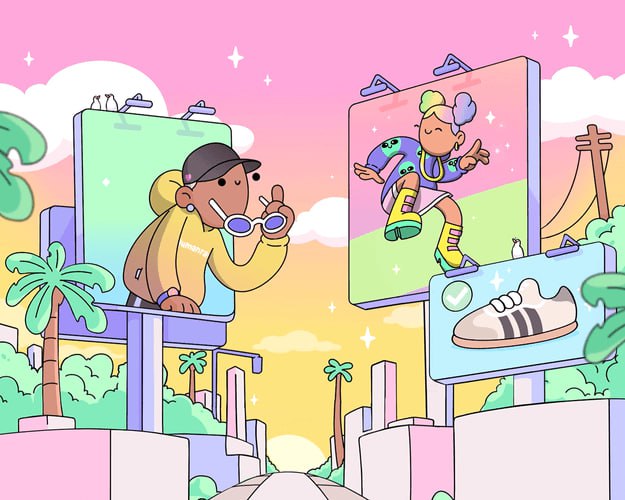
As technology has advanced, so too has internet art. Interactive installations have become increasingly popular, allowing users to physically engage with the artwork and creating a more immersive experience. These installations often use a variety of technologies, such as sensors, projections, and motion tracking, to create a seamless interaction between the user and the art.
Breaking Boundaries: The Concept of “Cyber Art”
The concept of “cyber art” takes internet art one step further by exploring the intersection of technology and the body. It includes works that use biofeedback, brain-computer interfaces, and wearable technologies to create a more intimate connection between the user and the artwork. It challenges traditional notions of art and the body, opening up new possibilities for artistic expression and sensory experience.
The Role of Social Media and Online Communities in Internet Art
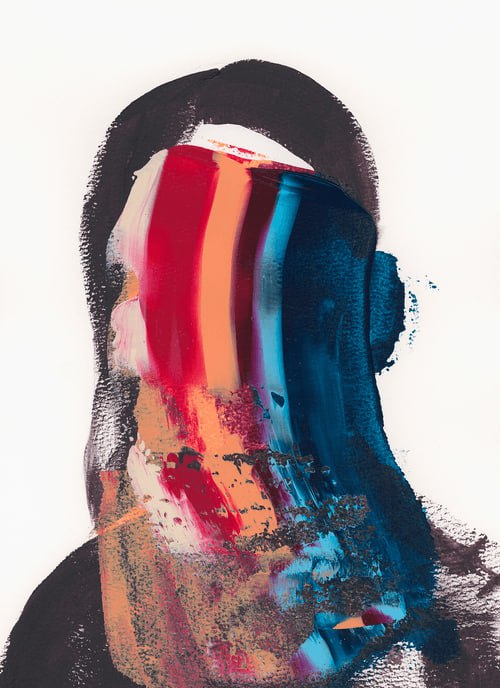
The internet and social media platforms have played a crucial role in the evolution of art in the digital age. Social media platforms such as Instagram, Twitter, and Tumblr have become popular mediums for artists to express themselves, showcase their works, and connect with their audience. Artists can share their work with a global audience and get instant feedback, which has revolutionized the way art is created and consumed.
Social Media as a Platform for Artistic Expression
Social media platforms have provided artists with a powerful tool for artistic expression. These platforms offer artists the opportunity to connect with a large audience, build their brand, and exhibit their work in a unique and creative way. Artists are no longer limited to traditional art galleries, and they can reach audiences that were never possible before. Social media platforms have also allowed artists to collaborate with others from around the world, which has led to the creation of new and exciting art forms.

The Rise of Digital Art Communities
Digital art communities have emerged as a result of the rise of internet art. Online communities such as DeviantArt, Behance, and ArtStation have become hub for digital artists to share their work, receive feedback, and collaborate with other creators. These communities have created an environment where artists can freely express themselves, share their work, and connect with like-minded individuals from around the world.
Internet Art and the Changing Landscape of the Art World
Internet art has challenged the traditional norms of the art world and has changed the way art is created and consumed. It has democratized art, making it accessible to everyone, regardless of their socioeconomic status. It has also provided artists with new methods of creating art, and has allowed them to explore different mediums, such as digital art, video art, and net art.
The Democratization of Art
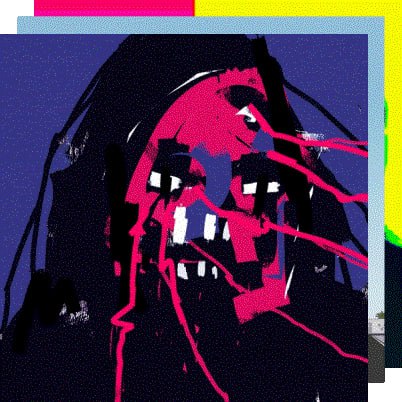
Internet art has made art accessible to everyone. It has enabled people from all over the world to view and appreciate art, regardless of their location or financial status. The internet has also allowed artists to showcase their work in a way that is not restricted by geographical barriers. This has created a more diverse and inclusive art world, where everyone has an equal opportunity to participate.
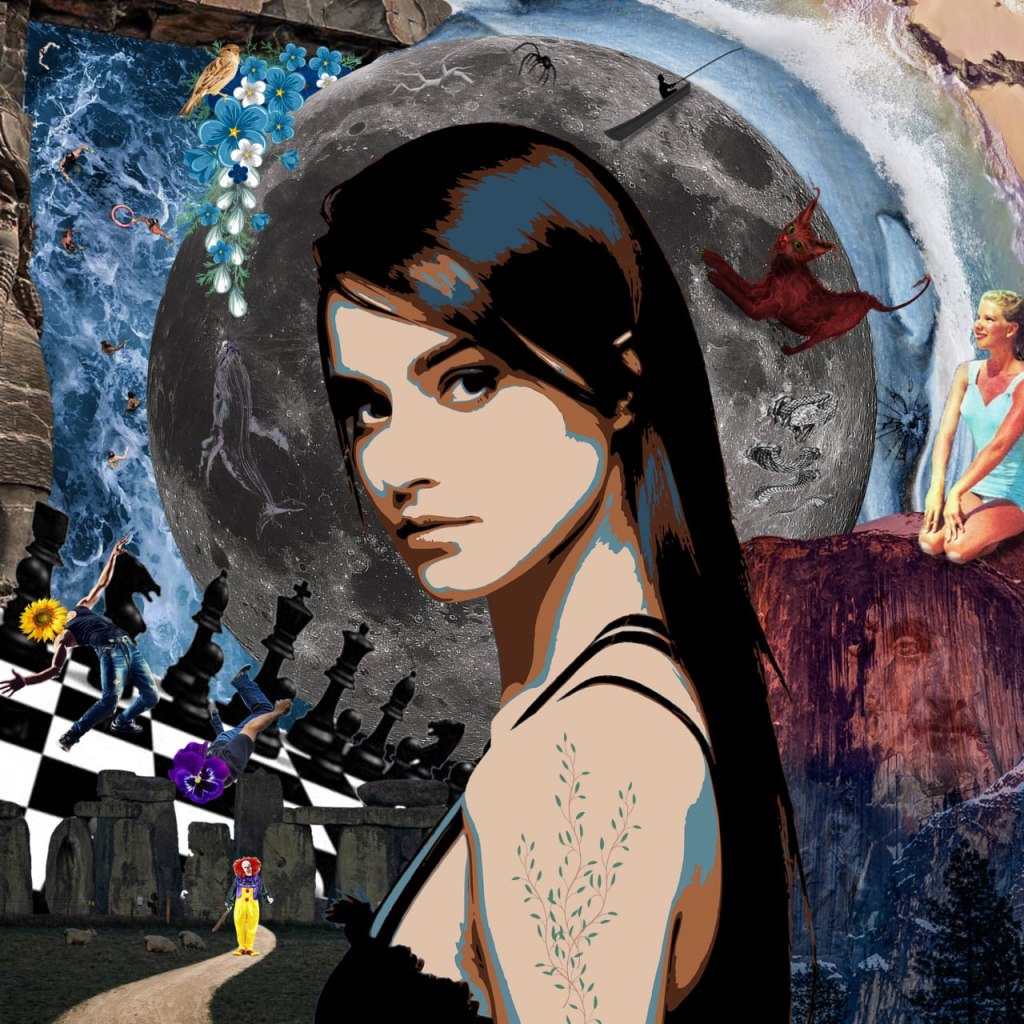
Internet Art: A New Form of Contemporary Art
Internet art has emerged as a new form of contemporary art. It has challenged the traditional definition of art, and has provided artists with new tools to create and exhibit their work. Internet art has also created a new space for artists to experiment with new mediums and explore new ideas.
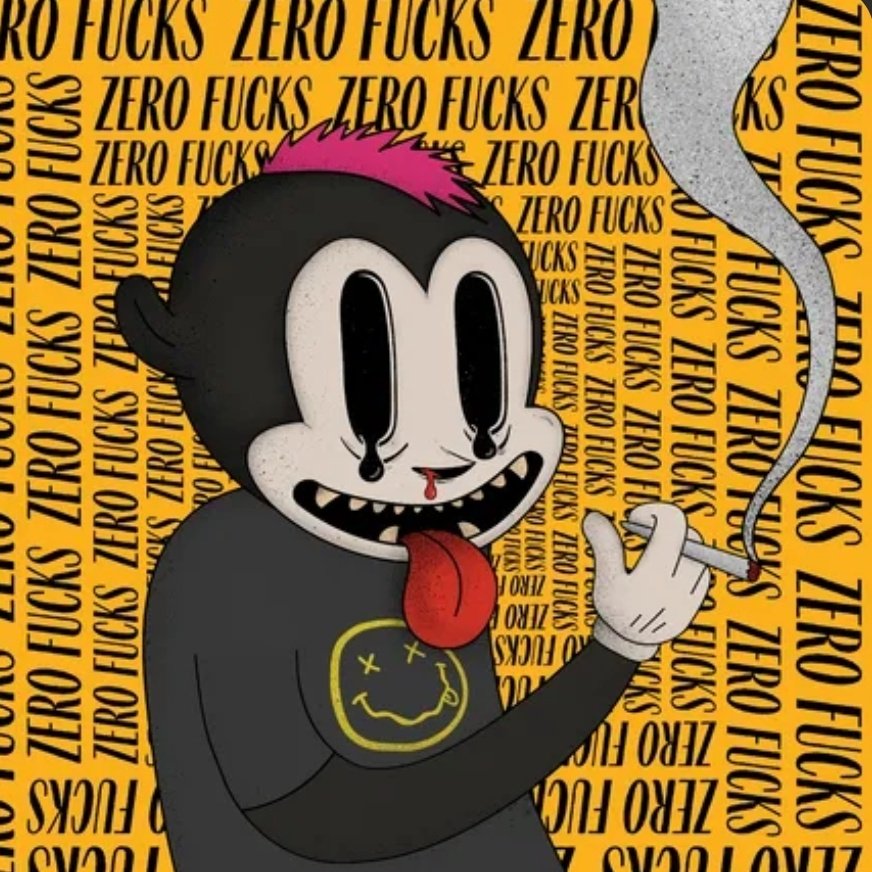
Challenges and Opportunities for Internet Artists
While the internet has provided artists with a wealth of opportunities, it has also presented challenges that must be addressed. Internet artists must navigate legal issues such as intellectual property and copyright, and they must also find ways to exhibit and sell their work online.
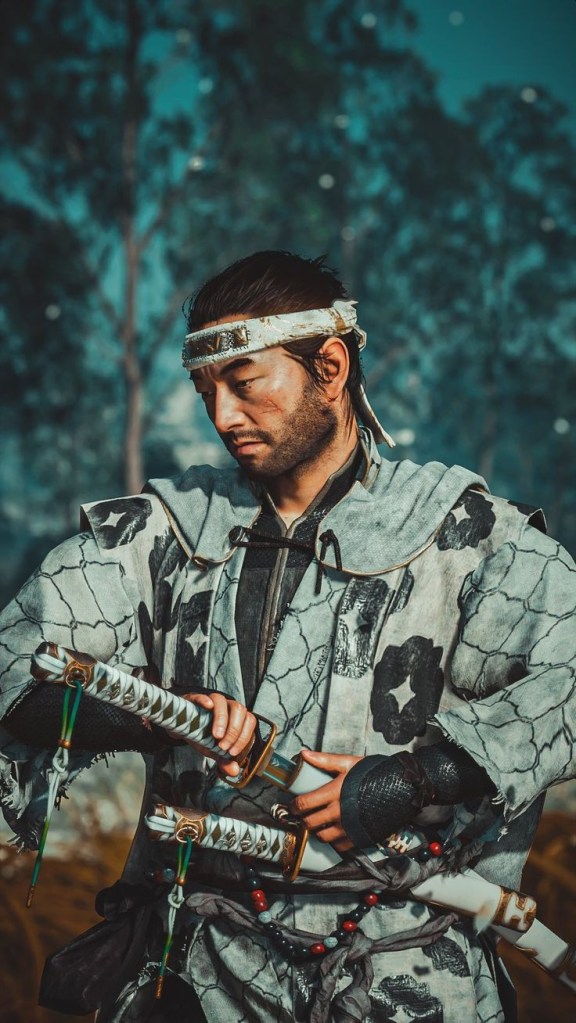
Intellectual Property and Copyright Issues
Internet artists must be aware of intellectual property and copyright issues. They must make sure that they have the necessary permissions to use copyrighted materials in their work, and they must also protect their own work from infringement. In addition, internet artists must be careful when sharing their work online, as it can be easily copied and distributed without their knowledge or consent.
Exhibition Opportunities and Online Sales
Internet artists must find new and innovative ways to exhibit and sell their work online. While traditional art galleries remain an important part of the art world, online marketplaces such as Saatchi Art and Artsy have emerged as viable alternatives. Internet artists must also take advantage of social media platforms to promote their work and build their brand.
Future of Internet Art: Innovations and Trends
The future of internet art is bright, as new technologies and trends emerge that will reshape the way art is created and consumed.
Artificial Intelligence and Machine Learning in Art
Artificial intelligence and machine learning are transforming the art world. These technologies are allowing artists to create new and exciting works of art, and are also changing the way art is curated and exhibited. In addition, AI and machine learning are being used to analyze and interpret art, providing new insights and perspectives.
The Integration of Internet Art and Physical Spaces
The integration of internet art and physical spaces is a trend that is gaining momentum. This involves using technology to create interactive and immersive experiences that blur the lines between the physical and digital worlds. This trend is creating new opportunities for artists to create unique and engaging works of art that can be experienced in real-life settings.Internet art is a medium that continues to push the boundaries of traditional art forms and has the potential to change the way we view and experience art. As technology continues to evolve, so too will internet art, opening up new possibilities for artistic expression and engagement with audiences. With its interactive and collaborative nature, internet art has the power to democratize the art world and break down barriers to artistic expression. As we look to the future, it is clear that internet art will remain a vital and dynamic medium that will continue to innovate and inspire artists and audiences alike.
 VAS
VAS 